When you look into the unblinking eyes of a crocodile resting along a sunny riverbank, you aren’t just looking at an apex predator—you’re looking straight back into prehistoric history. These incredible reptiles have walked, swum, and hunted across the Earth for over 200 million years, surviving the collapse of the dinosaurs and outlasting countless eras of change.
In our latest episode of The Ranger Diaries, Ranger Lazarus sheds light on these ancient marvels, offering a captivating glimpse into the world of crocodilians and why these formidable hunters command our deep respect and protection.
True Titans of the Waterway
While watching a crocodile bask motionless under the African sun might make them seem calm, their sheer physical capability is astounding. As Ranger Lazarus explains, male crocodiles are significantly larger than females, growing to staggering lengths of 5.5 to 6 meters and tipping the scales at up to a full ton!
Their armored, scaly skin acts as built-in solar panels and body armor, while their muscular tails allow them to burst out of the water with explosive speed. Coupled with one of the most powerful bite forces in the entire animal kingdom, they are undisputed masters of the aquatic ambush.
A Global Legacy in Need of Protection
Worldwide, there are 26 recognized species of crocodilians—ranging from the massive Nile crocodiles found here in Africa to smaller, highly specialized species across tropical ecosystems.
However, their ancient resilience is facing modern challenges. Sadly, seven of these 26 crocodilian species are currently critically endangered due to habitat loss, poaching, and human-wildlife conflict. Ranger Lazarus highlights that understanding these creatures is the first step toward preserving them. As apex predators, crocodiles serve as crucial biological indicators; when crocodile populations thrive, it means the surrounding rivers, dams, and aquatic ecosystems are balanced and healthy.
Witness the Ancient Wild at Mabalingwe
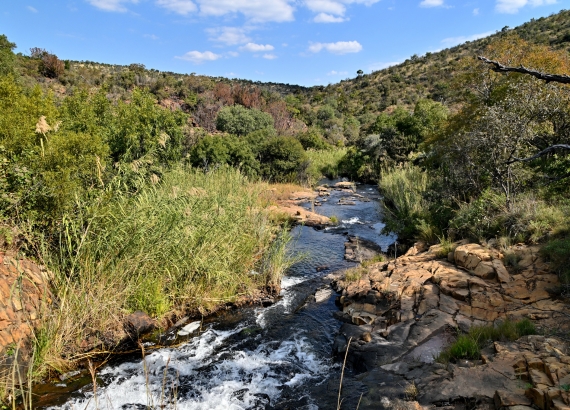
Scanning the calm waters of our dams on an early morning safari or sunset drive holds a unique thrill. Spotting the low, armored profile of a crocodile slipping silently beneath the surface reminds us of the raw, untouched wilderness preserved within our 8,500 hectares.
Learning from passionate field guides like Lazarus transforms a simple safari into a deeper journey, connecting you with the intricate web of life that makes the Waterberg so special.
Have you spotted one of our resident crocodiles basking near the water on your recent drives?