When we picture the great ecosystem of the Waterberg, our minds usually drift straight to iconic giants—elephants clearing pathways, giraffes browsing high acacia branches, or big cats maintaining the food chain. But if you look a little lower, right down at the dusty trail beneath your safari tires, you’ll find some of the hardest working engineers in the entire bushveld.
In the latest episode of The Ranger Diaries, Ranger Biggy turns his camera toward the ground to unpack the tiny, fascinating, and vital micro-ecosystems thriving all around us—starring the ultimate eco-warrior: the roller dung beetle.
Tiny Architects with a Big Mission
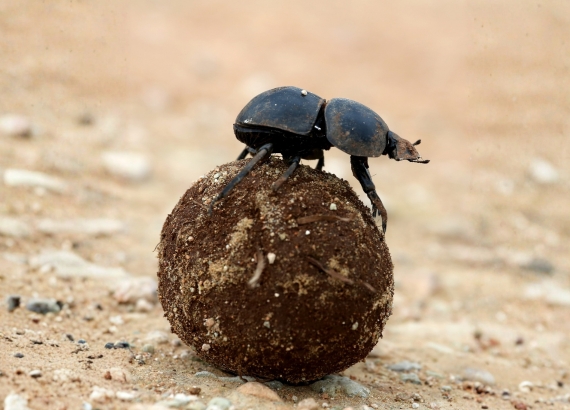
Watching a dung beetle at work is one of the most entertaining and impressive sights in the wild. These small insects construct remarkably round balls of animal dung—often many times their own body weight—and roll them across rugged terrain with single-minded determination.
Using the sun, moon, and even the Milky Way to navigate in a straight line, they push their prize backwards using their hind legs until they find the ideal spot to bury it deep beneath the soil.
The Ultimate Nursery and Soil Sanitizer
So, why go through all that heavy lifting? For the dung beetle, that rolled ball is a precious investment in the future.
Once buried in a safe underground burrow, the female deposits an egg inside the nutrient-rich ball. This hidden chamber provides a temperature-controlled nursery where the larva can hatch and feed safely away from surface predators.
While raising their next generation, dung beetles perform a critical ecological service for Mabalingwe:
- Natural Soil Fertilization: By burying organic waste deep underground, they recycle essential nutrients right back into the earth, enriching the soil for indigenous grasses and plants.
- Natural Pest Control: Quick cleanup of fresh dung deprives flies and internal parasites of breeding grounds, keeping game animals healthier.
- Soil Aeration: Their constant tunneling breaks up compacted ground, allowing precious rainwater to penetrate deep into the soil.
The Big Impact of Small Creatures
Ranger Biggy’s breakdown is a perfect example of why a guided safari at Mabalingwe Nature Reserve is about so much more than just ticking off the Big Five. Our 8,500 hectares thrive because every single resident—from a one-ton buffalo down to a thumb-sized beetle—has a critical role to play in keeping the Waterberg pristine and healthy.
Next time you’re out on a drive or a guided bush walk, keep an eye on the ground! You might just catch one of these tiny, hardworking heroes rolling its way across the trail.
Ready to explore the big and small wonders of the Waterberg with our expert field guides?