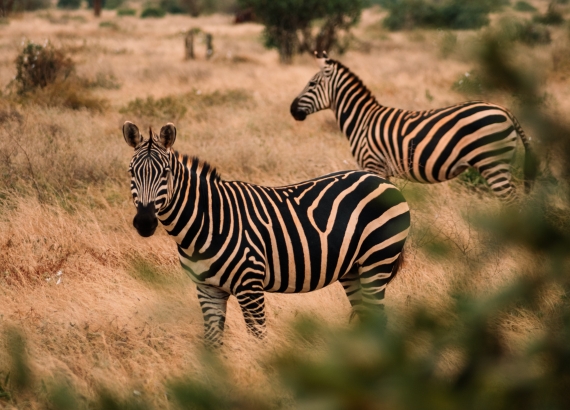
When you spot a herd of Burchell’s zebras on a game drive across Mabalingwe Nature Reserve, your eye is naturally drawn to their bold, iconic black and white stripes. But if you look a little closer at their lower limbs, you will notice a unique physical feature that often leaves safari guests guessing: a dark, hardened patch on the inside of their legs.
In the latest episode of The Ranger Diaries, Ranger Biggie breaks down the mystery behind this peculiar mark, known in the wild as a chestnut.
Built-in Body Armor for the Bush
Living in the African savanna means navigating a landscape filled with sharp rocks, dense thorn bushes, and dry, unforgiving soil. For a zebra, even a simple routine like lying down to rest at the end of a long day of grazing carries a risk of scrapes and cuts.
That is where the chestnut comes in.
Chestnuts are tough, thick, calloused patches of skin located on the inside of a zebra’s legs. They serve a very specific, practical purpose for life in the wild:
- Protective Cushioning: When a zebra bends its legs to lie down, these thick patches act as natural elbow and knee pads.
- Injury Prevention: By resting their weight directly on these calloused areas rather than soft skin, zebras shield themselves from jagged stones, thorny debris, and sharp terrain.
- Evolutionary Heritage: Similar to horses, these chestnuts are believed to be the evolutionary remnants of ancient toes, repurposed by nature into essential protective padding.
The Genius of Savanna Evolution
It is easy to assume that every detail of a zebra’s appearance is tied to camouflage or predator defense, but features like the chestnut highlight the quiet genius of everyday survival. In the bush, staying healthy isn’t just about outrunning lions—it is also about preventing small injuries and infections that could slow an animal down.
Next time you join us on safari, take a moment to look beyond the stripes and appreciate the incredible built-in adaptations that keep these animals thriving every single day!