“Okay, now we’re stopping for a bush break and you don’t see any toilets here, do you?”. If you’ve ever been on a game drive at Mabalingwe and heard your ranger say those words, you might have felt a brief moment of panic. But don’t worry, we’ve got you covered with the Weeping Wattle (Peltophorum africanum), affectionately known in the bushveld as the “Toilet Paper Tree”.
As our ranger Reagan likes to point out, one leaf serves as your basic 1-ply, and two leaves give you 2-ply. If you’re looking for a bit more luxury while out in the wild, you can stack them as high as you like – if you want 6-ply, it’s entirely up to you!.
5 Fascinating Facts about The Weeping Wattle
While the Weeping Wattle provides plenty of laughs during a bush break, this tree is a true marvel of the Waterberg ecosystem. Here is why it is so much more than just a convenient leaf:
- The “Weeping” Phenomenon: The tree gets its name because it often appears to be raining from its branches. This “weeping” is actually caused by tiny insects called spittlebugs that cluster on the twigs and extrude moisture.
- A Golden Spectacle: In late spring and summer, the tree transforms into a golden masterpiece, covered in bright yellow, crinkled flowers that are a favorite for local pollinators.
- Softness with a Purpose: The reason it works so well as a paper substitute is its fine, feathery, and velvety foliage. This soft texture helps the tree reduce water loss in the heat of the Limpopo sun.
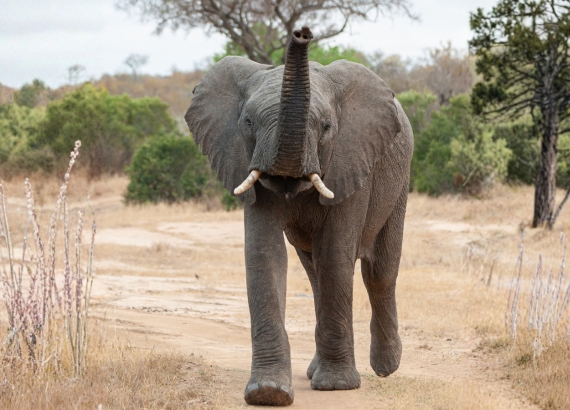
- Nutritional Value: It’s not just humans who find the tree useful; the leaves and pods are a highly nutritious food source for livestock and various wildlife species, including elephants and kudu.
- Hardy and Helpful: The wood is tough and borer-proof, often used by local craftsmen, while the dense canopy provides essential shade for animals seeking a reprieve from the midday heat.
Experience the Secrets of the Wild
At Mabalingwe, every plant and creature has a story to tell. Whether we’re discussing the complex cooling systems of an elephant’s ears or finding the softest leaf in the bushveld, our rangers are here to show you that nature provides everything you need – provided you know where to look!
Ready to learn more bushveld secrets? Grab your binoculars and join us for an unforgettable journey through the reserve.